
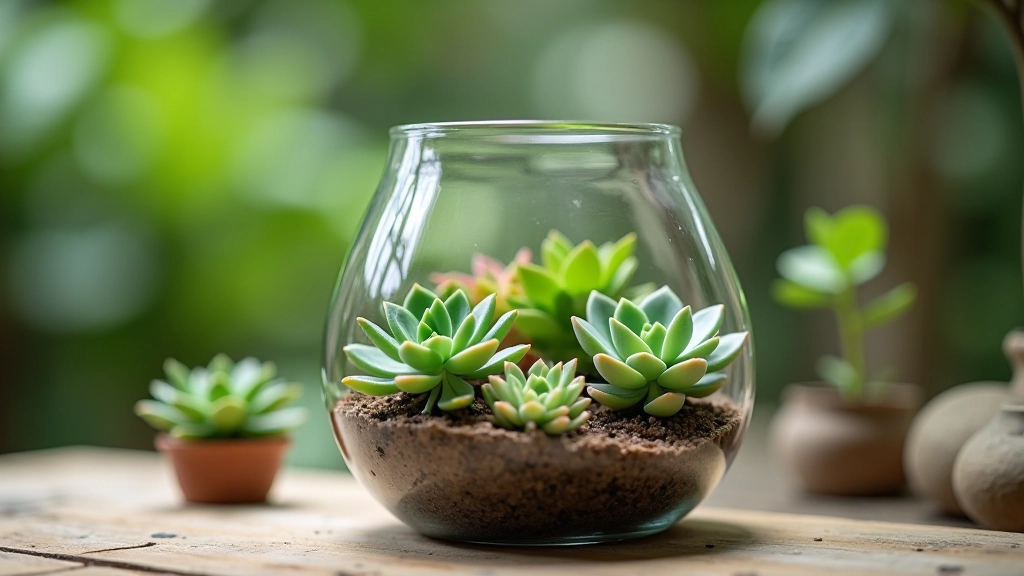
Watering and Care Tips for Glass Terrariums
Learn the balance between moisture and drainage. We cover seasonal watering schedules, humidity management, and maintenance routines that keep your terrarium thriving year-round.
Discover which succulents thrive in closed glass environments and how different species affect your terrarium's success rate and aesthetic appeal.

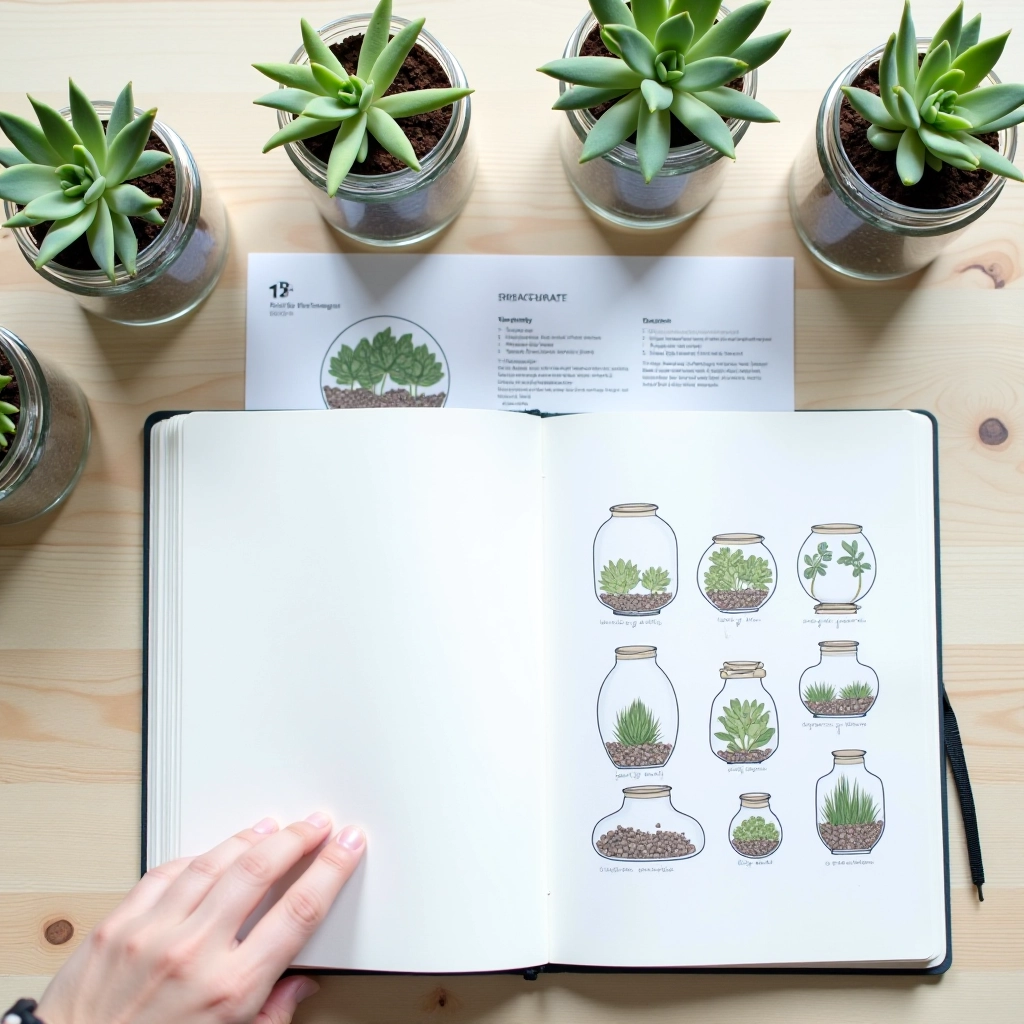
Editorial Team
Written by the Pärnu Editorial Team, focused on practical guidance for succulent care and thoughtful terrarium gifts.
Building a terrarium isn't just about stuffing plants into glass. It's about understanding which species will actually thrive in that sealed or semi-sealed environment. Different succulents have wildly different humidity tolerances, growth rates, and light requirements. Pick the wrong plant and you'll watch it slowly rot. Pick the right ones and you've got a living ecosystem that'll stay beautiful for years.
The key difference between terrarium gardening and regular succulent care is humidity. Most succulents evolved in dry deserts where they'd never experience moisture-rich air. A closed terrarium creates something completely different — a mini greenhouse. You'll need species that don't just tolerate this moisture, but actually prefer it.
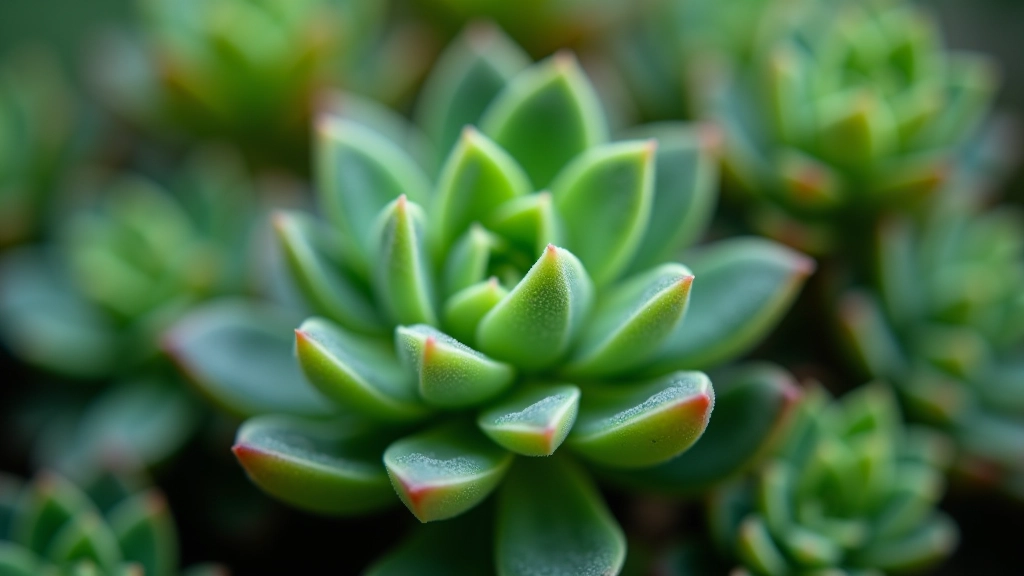
Not all succulents are created equal when it comes to terrarium life. You're looking for species that handle humidity without developing rot, stay reasonably compact, and don't mind lower light conditions.
This is honestly your safest bet. Haworthias are small, slow-growing, and don't mind the humidity that other succulents despise. They've got distinctive striped leaves and come in several varieties. They're forgiving, too — even if you're new to terrariums, they'll probably survive your learning curve.
Echeveria varieties create those gorgeous rosette shapes that people immediately think of when they picture succulents. They're more moisture-tolerant than their desert-dwelling reputation suggests. Keep them toward the glass edge where air circulation is better, and they'll thrive. The color range is incredible too — pastels, purples, pinks.
If you want something with texture and movement, this trailing succulent is perfect. The little pearl-shaped leaves hang beautifully over terrarium edges. It actually prefers slightly more moisture than desert succulents, making it ideal for closed environments.
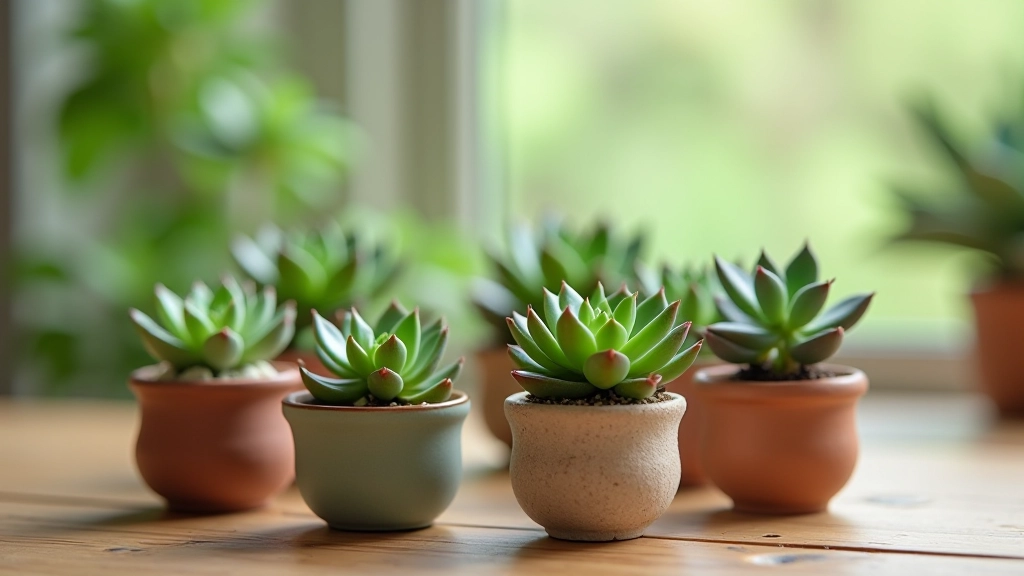
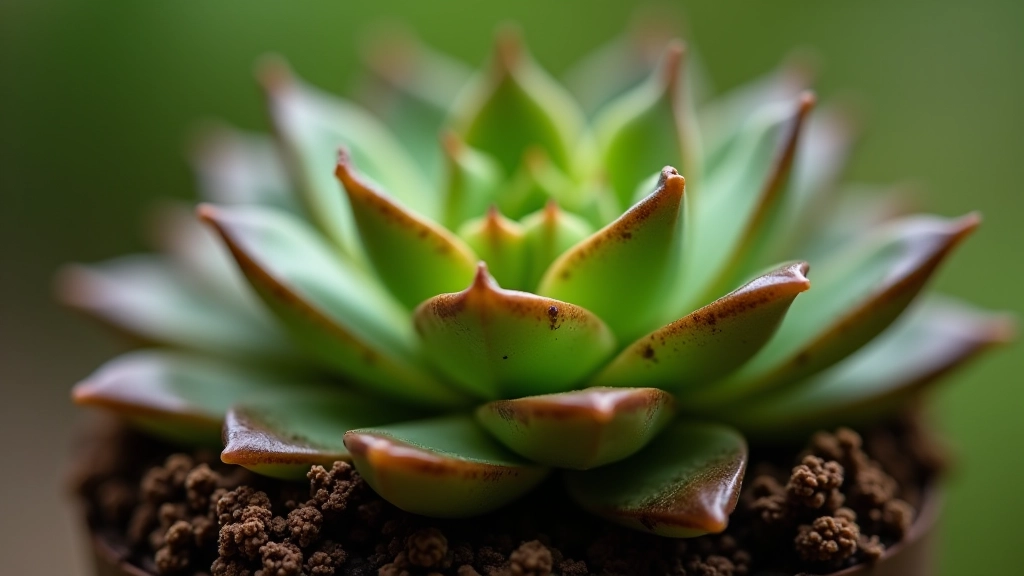
Some succulents are desert extremists. They're evolved to survive in practically zero humidity, which means a terrarium environment is basically torture for them.
Aloe vera and most other aloes need that dry, sandy desert feel. They'll rot faster than you'd believe in a humid terrarium. Same goes for jade plants — beautiful but way too moisture-sensitive. Lithops (those weird stone-shaped plants) absolutely cannot handle humid air. They're meant for bone-dry conditions.
Avoid anything with thick, waxy leaves that looks like it was designed for a desert. If it evolved in the Sahara or Arizona, it probably won't be happy in your sealed glass box. Your instinct might say "succulents are tough," but these guys are picky about one thing: dryness. Deny them that and they'll fail.
Different species have different thresholds. Haworthia and peperomia actually like humidity. Aloe and jade need dryness. Know your plant's background before you put it in a closed system.
Glass filters some light. Some succulents need bright indirect light, others can handle moderate conditions. Choose species that'll work with the light your terrarium actually gets, not where you hope to put it.
A terrarium is finite space. Pick fast-growing species and you'll be repotting in months. Slow growers like haworthia stay compact for years. Match the plant's growth habit to your terrarium's size.
In a closed terrarium, water evaporates slower. Species that normally prefer dryness between waterings will get too much moisture. You're looking for plants that don't mind slightly wetter soil conditions.
Humidity creates conditions where fungal and bacterial issues spread faster. Choose species known for resilience. Avoid plants with a reputation for being finicky about moisture.
You're building something you'll look at every day. Color, texture, form — they all matter. Mix species with different leaf shapes and hues for visual interest without creating maintenance chaos.
This guide provides educational information about succulent selection for terrariums. Plant care outcomes depend on many factors including your specific climate, terrarium design, watering practices, and light conditions. Results will vary based on individual circumstances. We recommend researching your specific plants and consulting with local gardening experts for personalized advice about your particular situation.
Choosing succulents for a terrarium comes down to understanding what you're creating. You're not just putting plants in glass — you're building a contained ecosystem with different humidity and light conditions than outdoor or windowsill gardening. That's actually the exciting part. It's not harder, just different.
Start with the safe choices. Haworthia, small echeveria varieties, string of pearls — these species are forgiving enough that you'll get real experience without constant frustration. Once you've got the basics down, you can experiment with more finicky plants. But honestly, some people build stunning terrariums with just three or four species and keep them that way for years.
The best terrarium isn't the one with the most species. It's the one you actually maintain, where plants are thriving, and where you enjoy looking at it every single day. That starts with choosing the right plants for your conditions and your commitment level. Everything else follows from there.
Learn the balance between moisture and drainage. We cover seasonal watering schedules, humidity management, and maintenance routines that keep your terrarium thriving year-round.
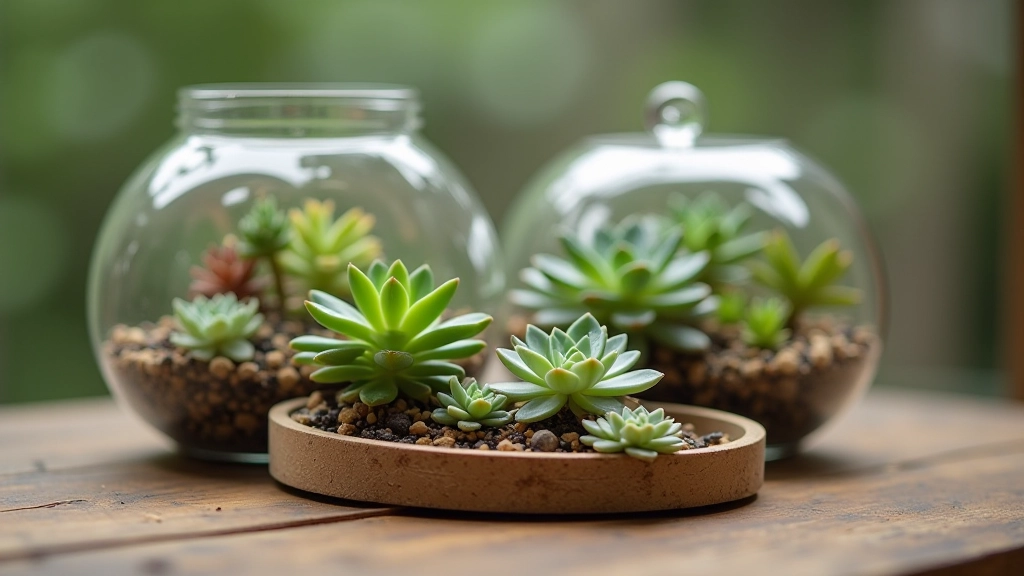
Find the ideal handmade terrarium gift for birthdays, housewarmings, and holidays. We guide you through selecting themed sets that match any celebration or recipient.
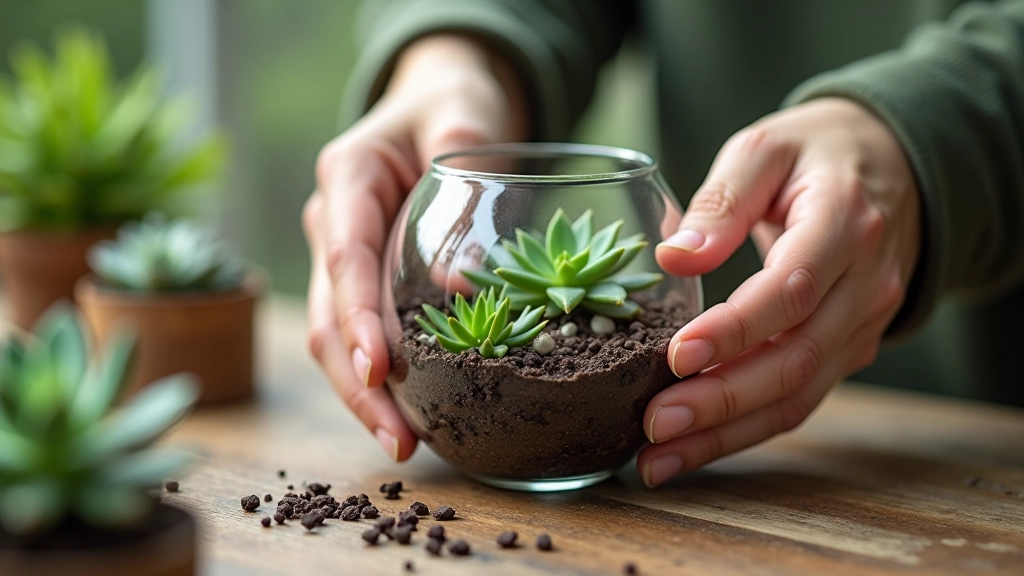
Build a beautiful succulent terrarium from scratch. This guide covers materials, layering technique, plant arrangement, and finishing touches for a professional-looking result.