
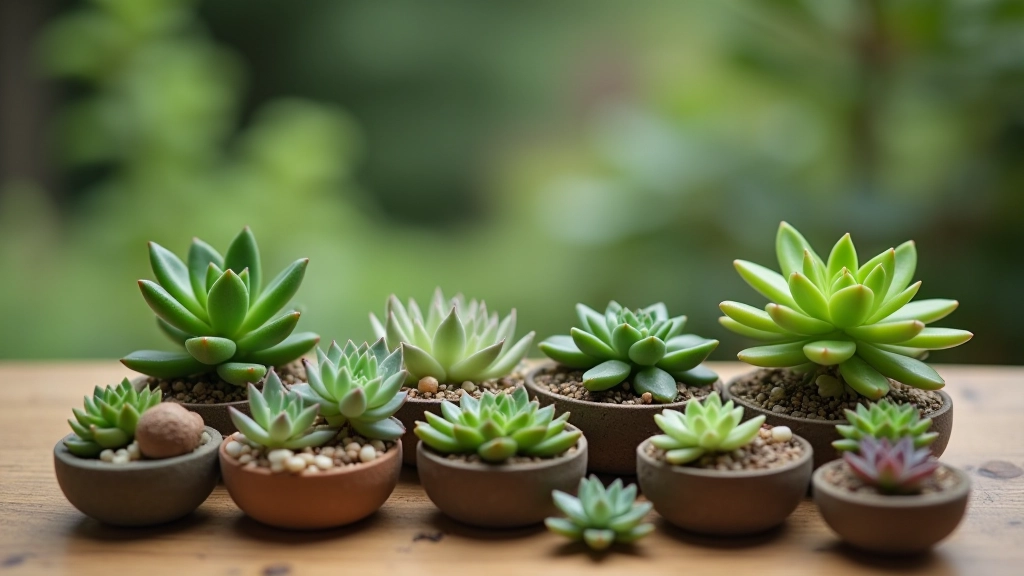
Choosing the Right Succulent for Your Terrarium
Discover which succulents thrive in closed glass environments and how different species respond to varying light and humidity levels.
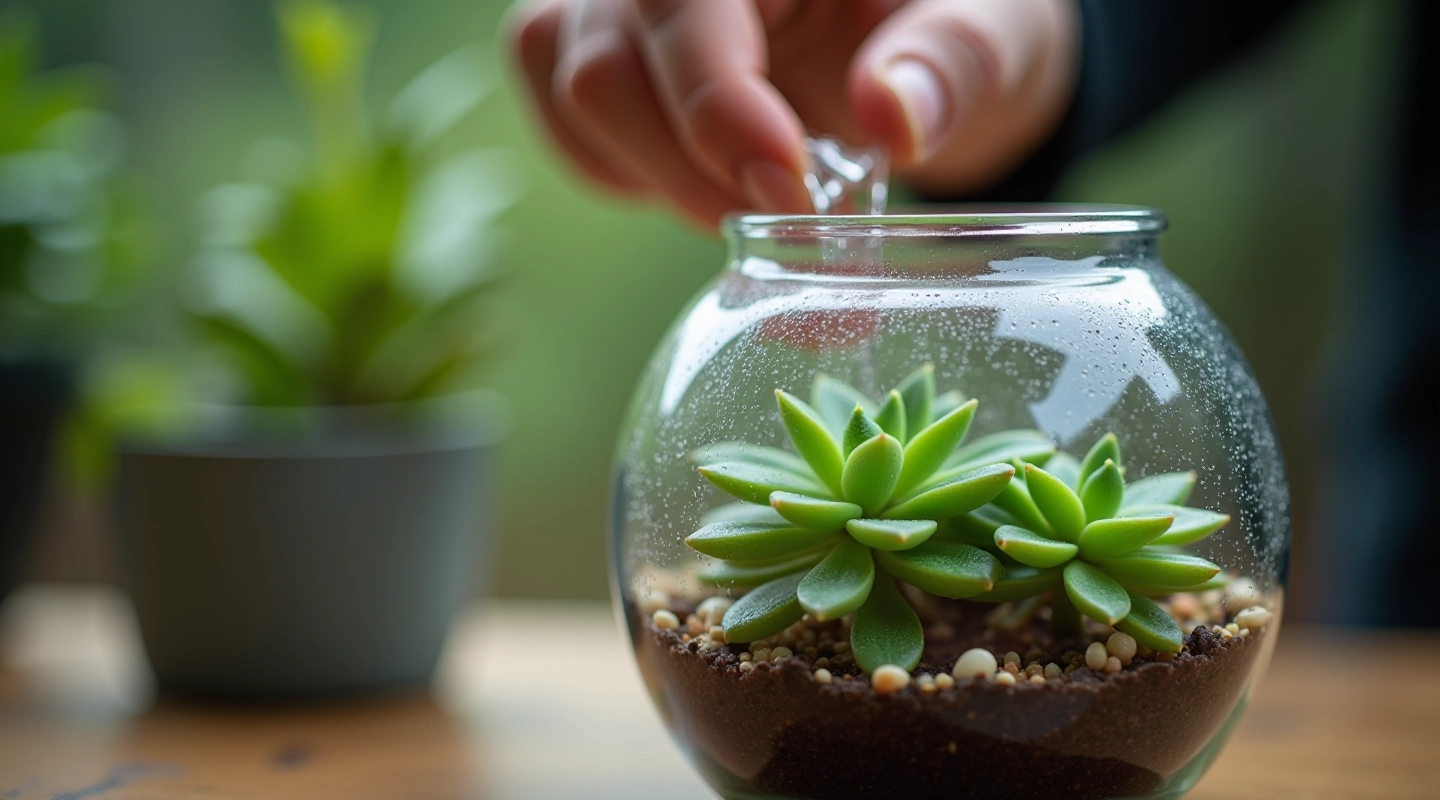
Learn the balance between moisture and drainage. We cover seasonal watering schedules, humidity management, and how to prevent root rot in sealed environments.
Author
Editorial Team
Written by the Pärnu Editorial Team, focused on practical guidance for succulent care and thoughtful terrarium gifts.
Glass terrariums create a miniature ecosystem that's fundamentally different from regular potted plants. The sealed or semi-sealed glass walls trap moisture, which means you can't just water the same way you would with an open pot. It's actually a self-regulating system when done right.
Think of it like this: water enters through soil, plants use some, and the rest evaporates into the glass space. When it hits the cool glass, it condenses and drips back down. This cycle repeats continuously. The trick isn't adding more water—it's understanding when to interrupt this cycle so roots don't sit in constant moisture and rot.

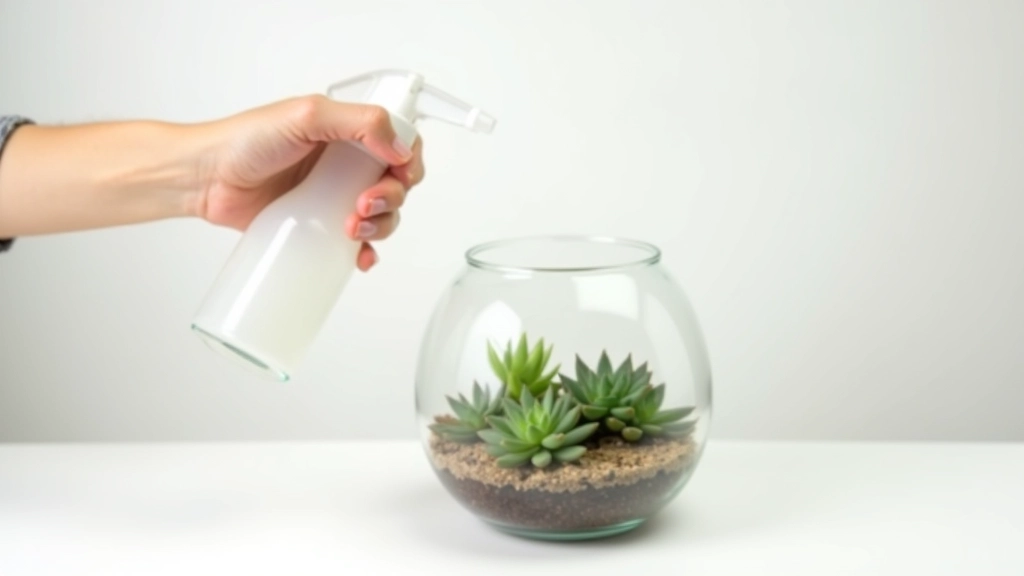
Here's what most people get wrong: they water on a schedule. Don't. Every terrarium is different based on light, temperature, humidity, and the type of succulents inside. What we recommend instead is checking the soil moisture first.
The squeeze test: Gently squeeze the soil through the glass. If it feels damp or holds together, wait another week. If it's completely dry and crumbly, you can add a small amount of water.
For most sealed glass terrariums in moderate indoor conditions, watering once every 2-3 weeks is typical. In winter when growth slows, you might stretch it to 3-4 weeks. Open-top terrariums (with no lid) dry out faster and may need water every 7-10 days.
The real indicator? Condensation on the glass. If there's heavy moisture building up daily, your soil is too wet. You'll see those water droplets constantly on the glass, and that's a sign to skip watering next cycle.
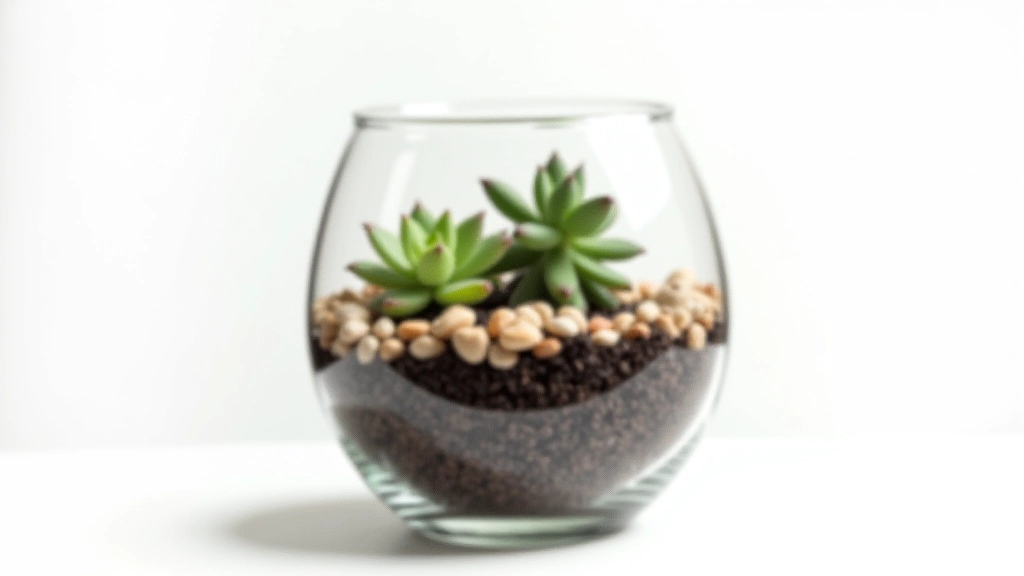
Root rot happens when roots sit in standing water for too long. In a sealed glass environment, this risk is real. That's why the bottom layer of your terrarium matters enormously. You need at least 1-2 inches of drainage material—pebbles, stones, or expanded clay balls work perfectly.
This layer lets water move away from the soil so it doesn't pool. On top of that, add activated charcoal (about 0.5 inches). It absorbs excess moisture and odors, keeping the air inside fresh. Then comes your potting soil—a well-draining mix designed for succulents, not regular garden soil.

Humidity inside a sealed terrarium naturally stays high because water's trapped. That's good for most plants, but too much becomes a problem. If your glass is constantly fogged with condensation and you're seeing moisture running down the sides every day, the air inside is oversaturated.
When this happens, crack the lid or remove it for a few hours a few times per week. This lets excess moisture escape. You'll notice the condensation reduces and the plants get better air circulation. Don't leave it open permanently though—you want some humidity to stay trapped for the plants' benefit.
Pro tip: Open your terrarium on humid days or when you notice heavy condensation buildup. On drier days, keep it closed. This natural adjustment helps prevent fungal issues and keeps the ecosystem balanced.
Some people install small vents or drill tiny holes in wooden frames around the glass. Others use lids that aren't completely airtight. The goal is control—you want moisture regulation, not a greenhouse effect that leads to rot and mold.
Plants don't grow at the same rate year-round. In spring and summer when there's more light and warmth, they're actively growing and use water faster. During fall and especially winter, growth nearly stops and water needs drop significantly. Your watering schedule should change with the seasons.
Water every 10-14 days. Growth is active, evaporation is higher, and plants need more moisture.
Water every 14-21 days. Growth slows, temperatures drop, and water needs decrease gradually.
Water every 21-28 days. Plants are mostly dormant, minimal evaporation, and overwatering is the biggest risk.
Don't set alarms for watering. Instead, check your terrarium's moisture before you water, no matter the season. A dry terrarium in winter doesn't need water just because it's been two weeks. Feel the soil first.
This guide provides educational information about watering and caring for glass terrariums based on general horticultural practices. Results may vary depending on your specific environment, climate, plant species, and local conditions. Every terrarium is unique, and what works for one person may need adjustment in another home. If your plants show signs of distress, consider consulting local gardening resources or plant care specialists for personalized advice.
Watering glass terrariums isn't complicated once you understand the sealed environment they create. The key is being observant. Check the soil before watering. Watch for condensation patterns. Adjust seasonally. Open the lid when moisture seems excessive. Most problems come from overwatering because people worry their plants are thirsty.
Start with the basics: proper drainage layer, well-draining soil, and a simple rule—water only when the soil is truly dry. You'll develop a feel for your specific terrarium within a few months. From there, it's mostly maintenance and enjoying watching your little ecosystem thrive in its glass home.
Remember, succulents are tough plants. They evolved to handle dry conditions. They'd rather be underwatered than overwatered. Trust that, and you'll have a beautiful, thriving terrarium for years.
Discover which succulents thrive in closed glass environments and how different species respond to varying light and humidity levels.

Find the ideal handmade terrarium gift for birthdays, housewarmings, and holidays. Discover curated terrarium sets with care guides included.

Build a beautiful succulent terrarium from scratch. This guide covers materials, layering techniques, plant selection, and finishing touches.